Tips for Enjoying the Holidays with Autism
Plan a holiday that fits your family with familiar routines, simple expectations, visual preparation, shared support, and quiet spaces for breaks.

Prepare for New Experiences
Take time to prepare your kiddo for the holidays and new experiences you have planned. Reading books and watching videos about the holidays are fun ways to get into the holiday spirit. If you are planning to travel or gather with family and friends, the following are a few tools I have found helpful with my kids:
- Social Stories – Create a basic story of what your kiddo will be doing and steps they can take to feel balanced and regulated. Personalized social story templates from Autism Speaks
- Pictures of Friends & Relatives- If you are going to be socializing with friends and relatives, show your kiddo pictures of the people they will be visiting with and label the photos with each person’s name.
- Let Them Help- As you are preparing for the holidays, encourage your kiddo to lend a hand. Remember, participation is different for everyone. For some, arts & crafts or cooking is a fun way to help, while others may be content with being in the same room with you.
To learn more about supporting your child’s emotional growth, check out our blog on helping your child manage their emotions.
Manage Expectations
Keeping plans simple and managing expectations are essential in enjoying the holidays with my kids. It’s easy to get caught up in the hustle and bustle of the holiday season. In order for me to model the behavior I want to see in my kids & stay calm, I’ve learned to keep things simple. Here are a few other tips I find helpful during the holidays:
- Keep Routines and Consistent Schedules: Keeping schedules and routines consistent, will help your kiddo feel balanced. Try to plan holiday meals during a time that works best for your family.
- Pick Your Battles- If the goal is to enjoy less stressful holidays, this may not be the time to introduce new foods, goals or challenging activities. Set your kiddo (and yourself) up for success and keep it simple.
Families using in-home ABA therapy often find that consistency in schedules helps their child thrive during special occasions. If you’re exploring options, our ABA services can provide the right support.
Plan Ahead
Creating a game-plan in advance is a great way to reduce stress for you and your family. Take some time to identify what your family needs to enjoy a successful holiday experience and be sure to ask for help. Here are a few tips I’ve found helpful in planning for the holidays:
- Timing – From planning mealtimes to duration of visits, timing is everything. Choose times that work best for your family and plan around them. I find that “short & sweet” is best when socializing with my family and plan our departure early, to avoid sensory overload.
- Divide & Conquer – Identify your kiddo’s needs for support and create a plan with your spouse, partner or family members. Teamwork makes the dreamwork! Take turns giving your kiddo the support they need while visiting with friends and family.
- Identify a Quiet Space – Whether you are hosting a gathering at home or visiting friends and family, it’s helpful to identify a quiet space that your kiddo can go to and take a break. Remind your kiddo where the space is & encourage them to take regular breaks to chill out & reset.
For more practical situations, see our blog on going to the doctor, which includes tips for managing new environments and routines.
Be Present and Enjoy
The holidays are a time to be with friends and family, express love and gratitude, and celebrate! Take this time to enjoy your family favorites like listening to music; cooking a special meal (or ordering takeout); or taking a quiet walk together. Take it easy- keep it simple & enjoy your beautiful family!
Families receiving ABA therapy for kids often find that applied behavior analysis helps children adapt more smoothly to social gatherings and festive routines. Ask EAS about available support in your area.
Also, check out our guide on autism spectrum disorder and haircuts, another situation where preparation makes a big difference.
Ready to Explore More Support?
Ask the intake team about current locations, service settings, and availability for your family.
Learn more about our ABA services for autism by contacting an EAS Intake Specialist to see how ABA behavior therapy can benefit your child.
Explore More

Encouraging Speech in Nonverbal Children
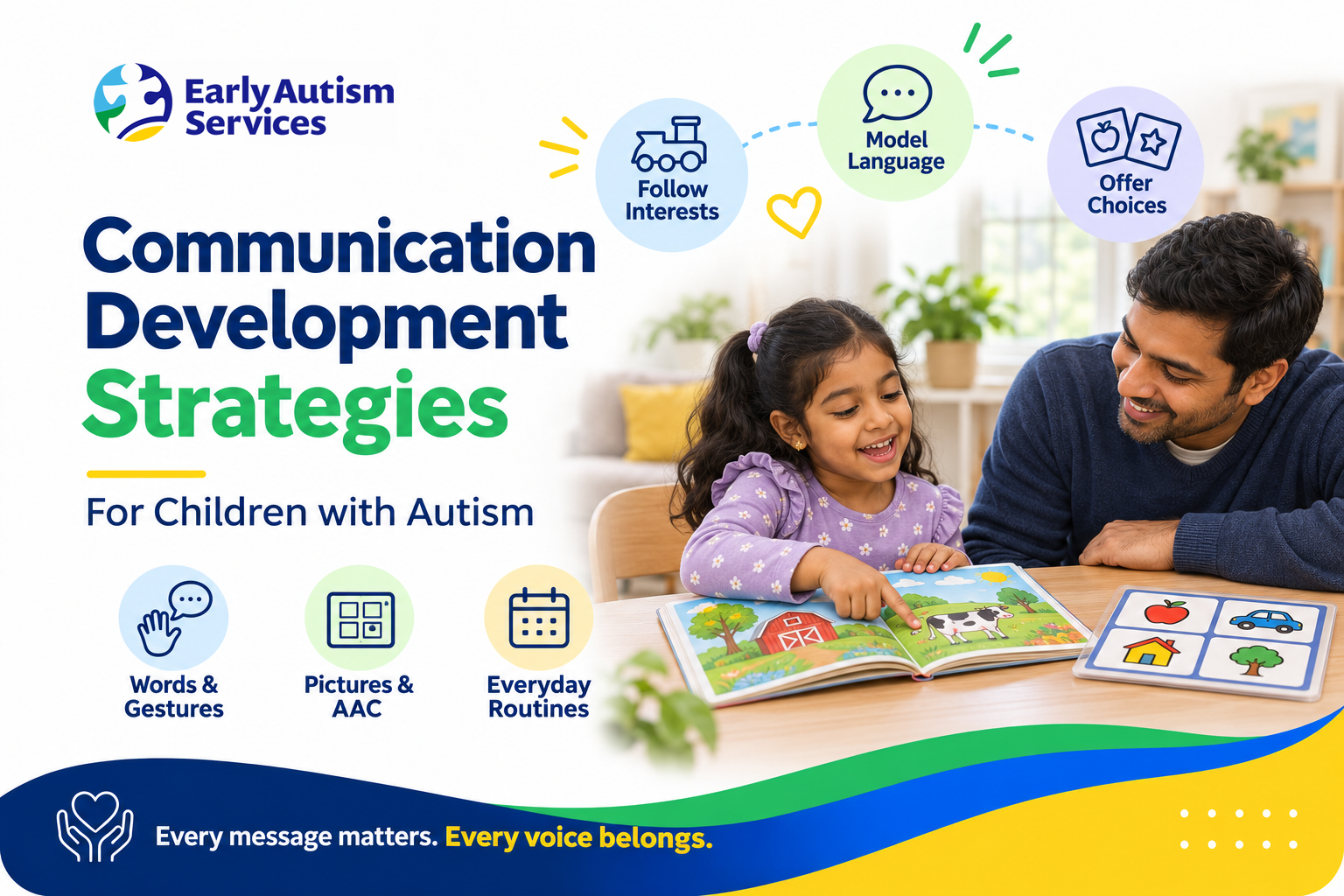
When a child uses few or no spoken words, parents often want to know what they can do to help. Encouraging speech in nonverbal children begins with understanding how the child already communicates and making those messages easier to express and understand.
Some families use “nonverbal,” while others prefer “nonspeaking” or “minimally speaking.” These terms describe speech use; they do not tell us everything about a child's understanding or ideas. The practical goal is reliable communication, with support for speech development when it fits the child's needs.

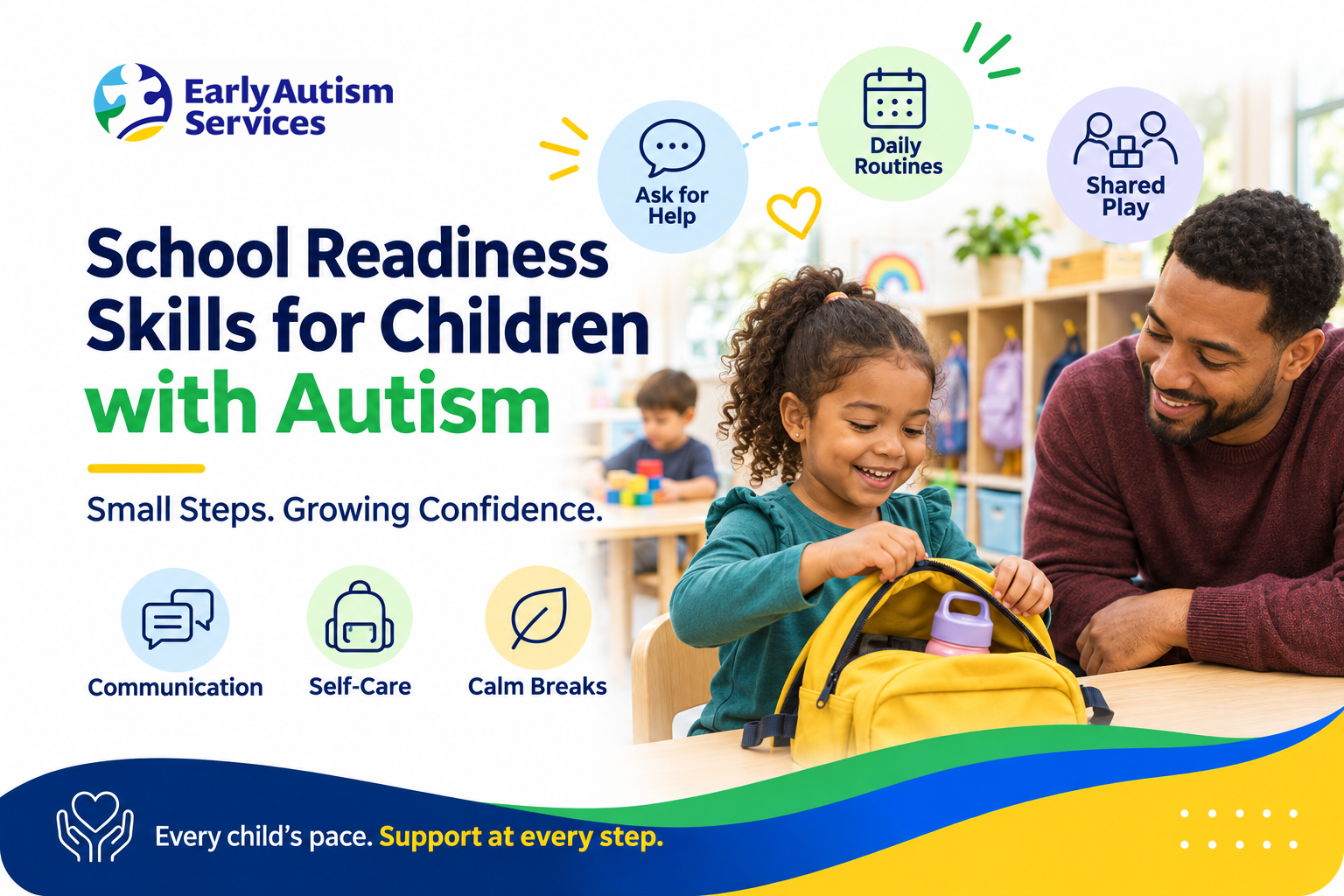
School Readiness Skills for Children with Autism
School readiness skills help children take part in the routines, relationships, and learning opportunities of the school day. For a child with autism, useful goals might include asking for help, recognizing a familiar routine, or becoming comfortable using a communication system with a new adult.
Readiness is not a pass-or-fail checklist. Children enter school with different abilities and support needs. The American Academy of Pediatrics emphasizes that schools need to be prepared for children at different levels of development, including children with disabilities. [1]
Families can practice useful skills while working with the school to arrange the support their child needs now.


(312) 386-6820
(312) 929-0324