How to Choose Sensory-Friendly Winter Clothing for Your Child with Autism
Sensory-friendly winter clothing can make cold-weather dressing easier for children with autism. Soft fabrics, tagless designs, and gentle layering reduce discomfort and support smoother routines. With small strategies like offering choices, practicing indoors, and creating predictability, parents can ease dressing challenges. Early Autism Services provides personalized support to build comfort and confidence.

Introduction
Getting your child dressed for winter can feel like a daily challenge, especially if they experience sensory sensitivities. The textures, tags, seams, and heavy layers that most children barely notice can feel overwhelming to a child with autism.
That’s where sensory-friendly winter clothing comes in. Designed with comfort and flexibility in mind, these clothes make cold-weather dressing easier and more enjoyable, for both you and your child.
Understanding Clothing Sensitivities in Children with Autism
Many children on the autism spectrum experience differences in how their brains process sensory information. Something as simple as a scratchy tag, stiff zipper, or snug waistband can cause discomfort or even distress.
These sensitivities often show up as:
- Refusal to wear certain fabrics or clothes
- Tantrums during dressing time
- Preference for specific textures or familiar outfits
Recognizing these patterns can help caregivers make small changes that lead to big comfort. Finding soft, flexible, and breathable winter clothes can help reduce sensory overload and support smoother routines.
What Makes Clothing “Sensory-Friendly”?
Sensory-friendly clothing is thoughtfully designed to minimize discomfort and irritation. Look for:
- Tagless designs to avoid itching or scratching
- Flat seams that don’t rub against the skin
- Soft, natural fabrics like cotton or fleece
- Stretchy waistbands and cuffs for flexibility
- Lightweight, non-bulky materials that allow free movement
Many brands now offer adaptive clothing lines specifically made for children with sensory sensitivities. The goal is simple: to make dressing comfortable, predictable, and stress-free.
How to Layer Sensory-Friendly Winter Clothing
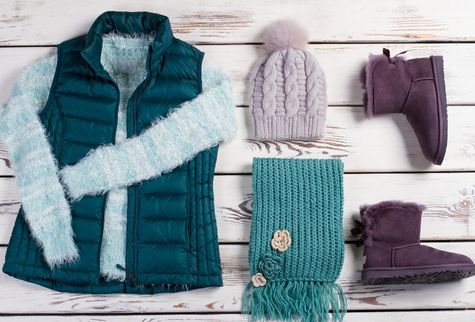
Layering can be tricky when your child is sensitive to textures or temperature changes. Here’s how to build comfort step by step:
- Base Layer:
Choose breathable material like cotton. Avoid wool or synthetics that may feel itchy. Long-sleeve undershirts or leggings work great.
- Middle Layer:
Soft fleece or jersey fabrics add warmth without being bulky. Look for pullovers or sweatshirts with loose fits.
- Outer Layer (Coats):
The right sensory-friendly winter coat makes all the difference. Choose coats that are:
- Lightweight but warm (down-alternative or fleece-lined)
- Easy to zip or close (Velcro or magnetic fasteners)
- Made from soft, flexible materials rather than stiff nylon
Let your child try on coats with familiar layers underneath to ensure comfort before removing tags.
Autism-Friendly Winter Clothing Tips for Parents
Helping your child get comfortable with winter clothing often takes patience and creativity. Try these gentle strategies:
- Involve your child: Let them choose colors or fabrics they like.
- Practice indoors: Encourage wearing winter layers for short periods at home before heading outside.
- Wash before use: This softens fabrics and removes new clothing odors.
- Avoid surprises: Prepare a visual schedule showing when it’s time to dress for outdoors.
- Praise small wins: Celebrate each successful dressing attempt, even if it’s just putting on a single layer.
These steps help build confidence and make dressing a more predictable experience, something children with autism thrive on.
Helping Kids Cope with Clothing Discomfort
If your child still struggles, you’re not alone, and small adjustments can make a big difference.
- Offer limited choices: “Do you want the blue coat or the red one?”
- Use sensory tools: A compression shirt underneath a coat can provide calming pressure.
- Create a calm environment: Soothing music or gentle lighting can help lower anxiety before dressing.
- Model comfort: Show your child that you enjoy your soft scarf or cozy sweater. Children often mirror this behavior.
The key is to move at their pace and focus on comfort, not perfection.
Sensory discomforts can show up during other daily routines, such as grooming or haircuts. You can read our guide on Autism Spectrum Disorder and Haircuts: How to Make the Experience Easier for Your Child for practical strategies to make these experiences more comfortable.
Making Winter Fun and Predictable

Beyond clothing, sensory-friendly planning can make the entire season smoother.
- Keep a consistent winter routine (e.g., coat on → boots → gloves → outside time).
- Prepare familiar winter activities that your child enjoys, like short outdoor walks or watching snow from a window.
- Always bring a favorite comfort item (soft scarf, stuffed toy, or sensory chew necklace).
Predictability builds confidence, helping your child feel more secure and ready to explore.
Looking for fun ways to enjoy the season together? Check out our blog on Sensory-Friendly Winter Activities for Children with Autism for ideas that combine comfort, learning, and play in a calm environment.
Conclusion
Finding the right sensory-friendly winter clothing can transform your child’s winter experience. By choosing soft fabrics, adaptive designs, and gentle dressing routines, you can reduce discomfort and help your child enjoy the season with ease.
At Early Autism Services, we understand that every child’s sensory needs are unique. Our team supports families in creating comfortable, structured routines, not just for dressing, but for every part of daily life.
Learn more about our personalized ABA therapy programs and how we can help your child build comfort, confidence, and independence.
Explore More
.png)
Key Terms in ABA - A Parent-Friendly Guide 2
Parents encounter advanced ABA therapy terms as their child progresses, including prompt hierarchy, task analysis, parent coaching, and more. These concepts support skill development, independence, and collaboration with therapists, helping families better understand strategies and feel more confident in actively supporting their child’s therapy journey over time.

%20(1).png)
Key Terms in ABA - A Parent-Friendly Guide 1
Autism is a neurodevelopmental condition marked by differences in brain structure, connectivity, and sensory processing. Early brain growth variations and unique neural patterns influence communication, behavior, and perception. While challenges exist, strengths like attention to detail are common. Understanding these differences supports personalized, compassionate approaches that respect neurodiversity and individual needs.
.png)
Sibling Conflicts: A Hidden Opportunity to Teach Life Skills
Sibling conflicts are common, but can feel more complex in families with an autistic child. Disagreements often stem from emotional needs, attention differences, or communication challenges. With a coaching mindset, open conversations, and intentional one-on-one time, parents can turn everyday conflicts into opportunities to build empathy, cooperation, resilience, and mutual understanding between siblings.


